Base function
Fill and air-seal a stationary gap, crack, hole or penetration within the range the maker states. Every can on these pages does this; most makers do not print the range.
One-component foam · 43 product records · Intake screened September 7, 2026
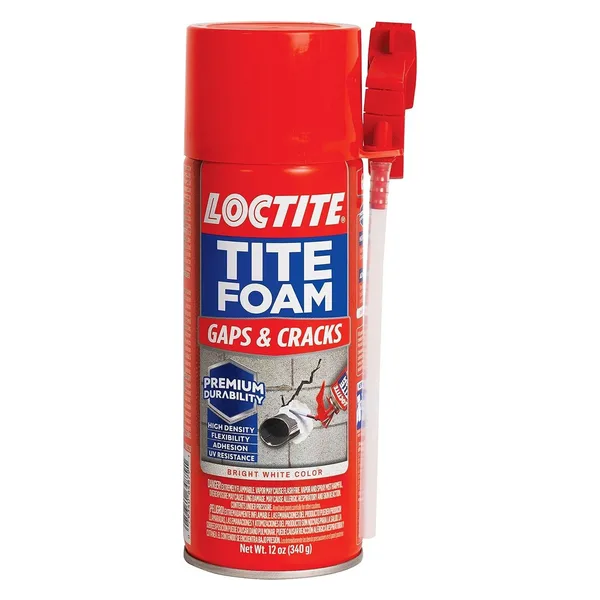
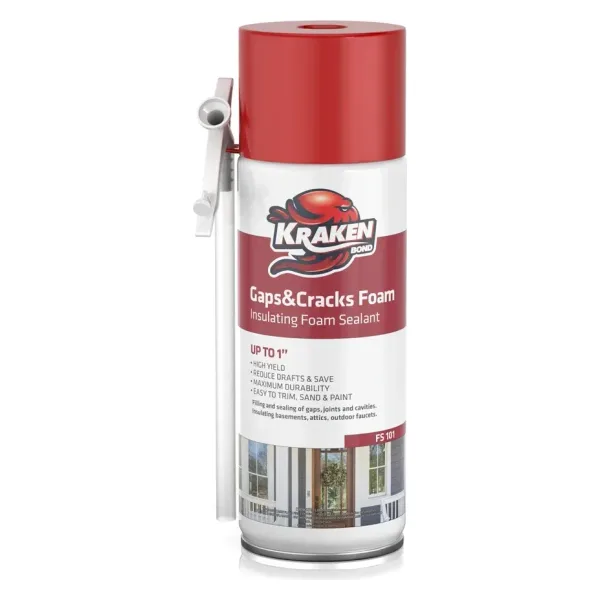
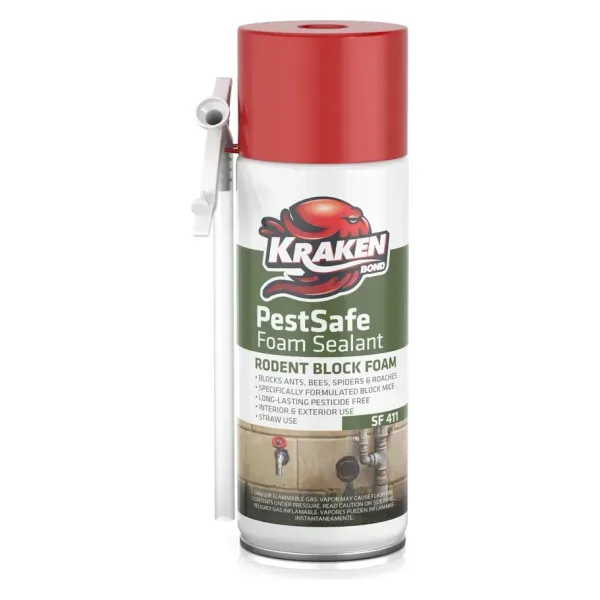
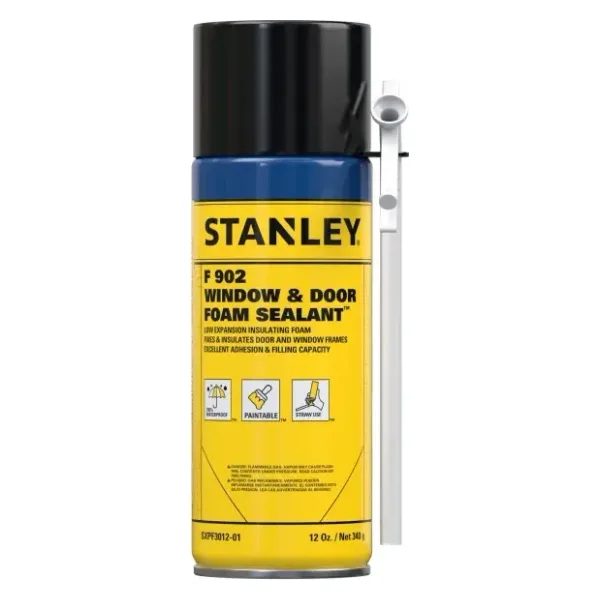
One base product, an expanding polyurethane foam in a pressurized can, sold with a claim on top: none, low expansion, a fire rating, a pest ingredient, a black color, a wide nozzle. We keep one record per product and tag it with every job its maker claims, so a can that is both a gap filler and a fire block appears on both pages and is described once. 11 of the 43 records carry more than one tag; 30 have a dated technical data sheet from the brand.
These pages cover foam that expands out of a can through a straw, a trigger or a gun. A gap filler titled "spray foam insulation" is still sold by gap size and belongs here, not in the kit ranking. Caulk, grout and pastes in a tube or cartridge are a different product for a different job, whatever claim they carry, and are not listed.
Six jobs
Each page is ordered by four things we could confirm, a dated sheet, a checkable claim, a brand-channel seller and a feedback base, not by a score.
A gap filler that says "spray foam insulation" on the label is still a gap filler.
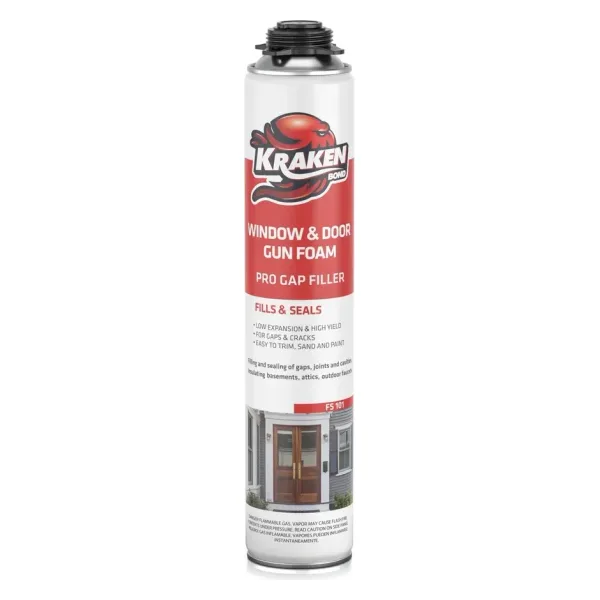
The word PRO tells you about the gun, not about the expansion.
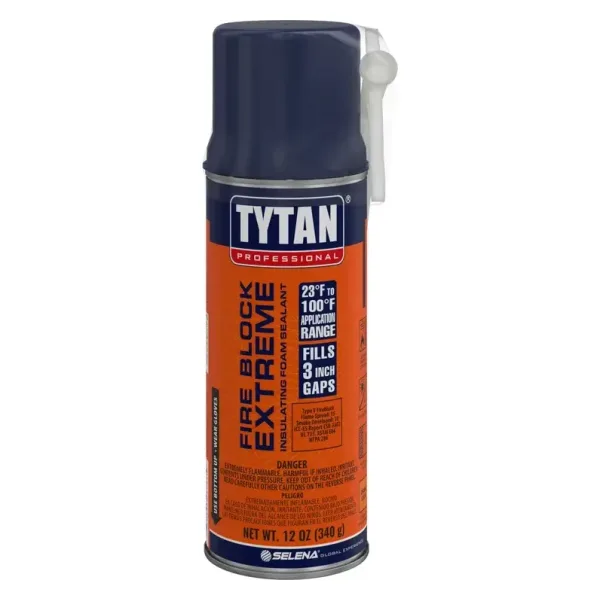
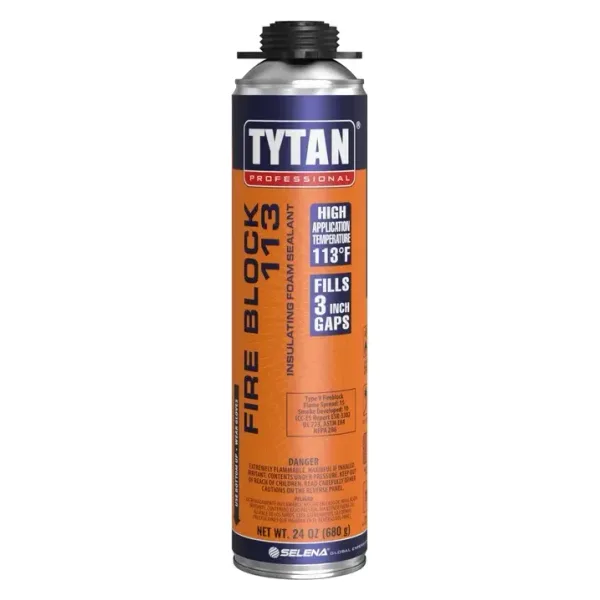
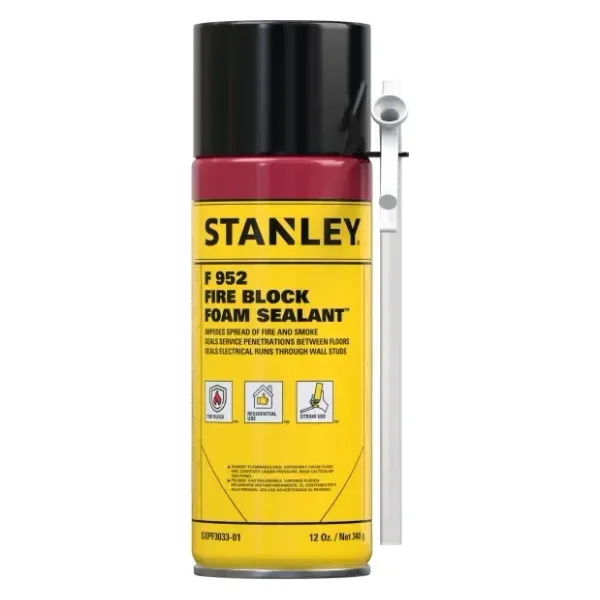
Fire block is not firestop, and a color is not a rating.
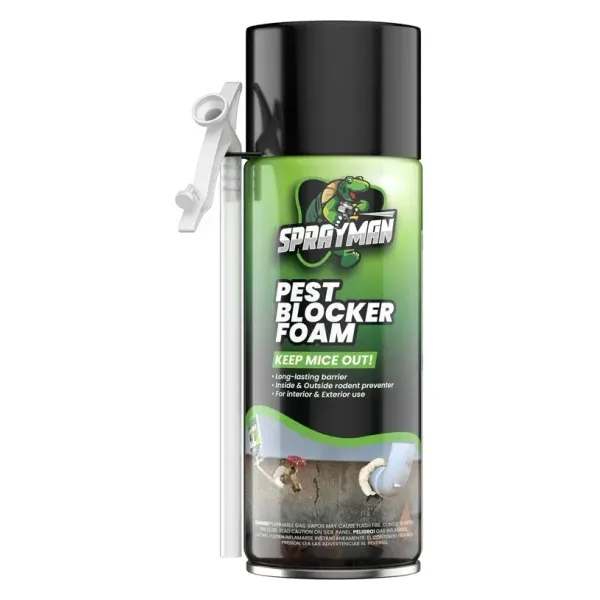
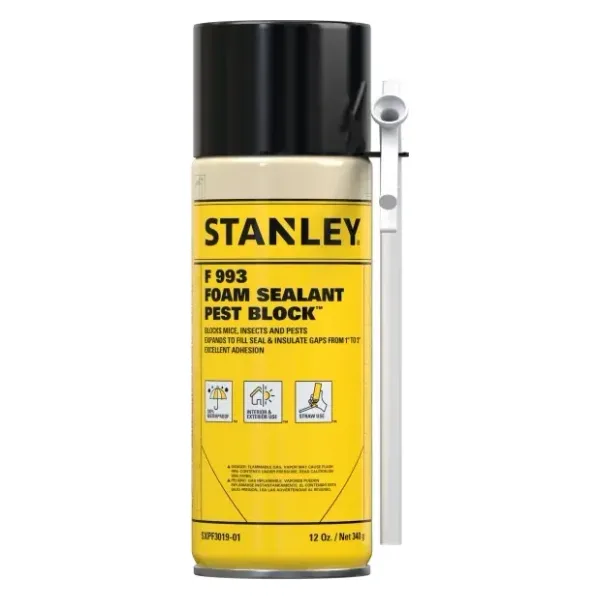
Foam alone is not a rodent barrier.
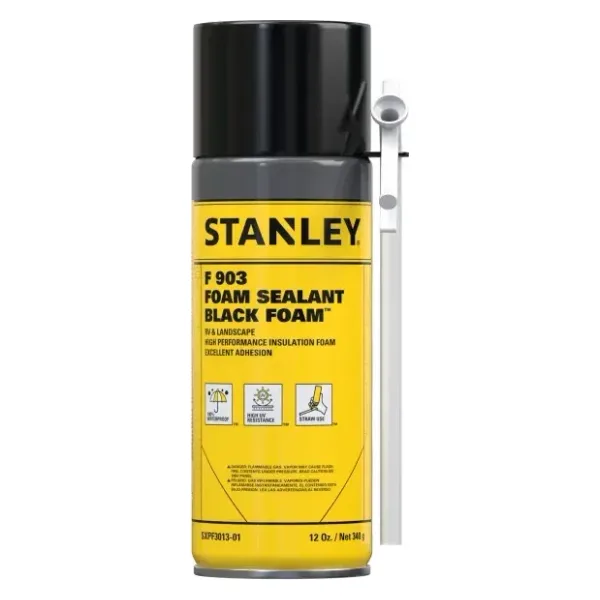
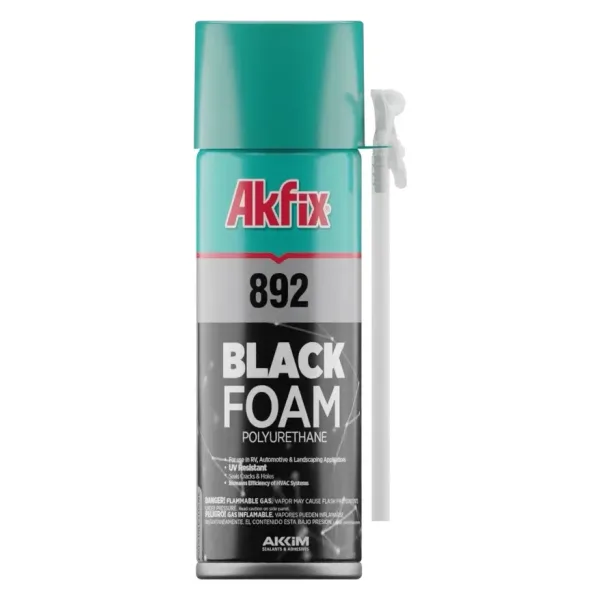
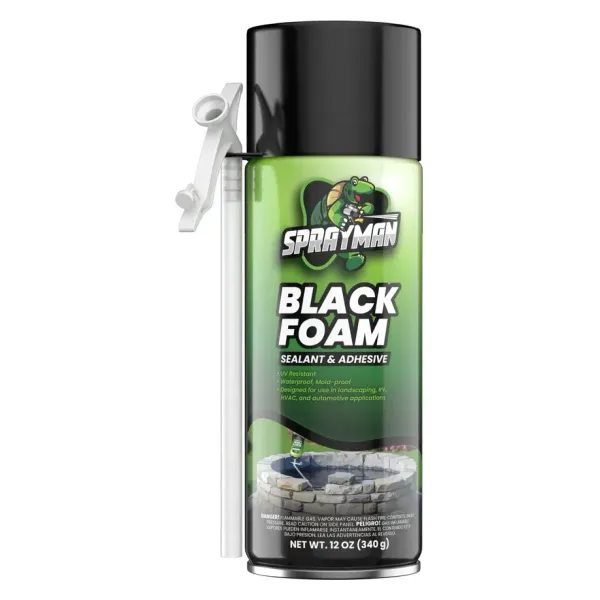
Black hides the foam. It does not waterproof it, insulate with it, or rate it.
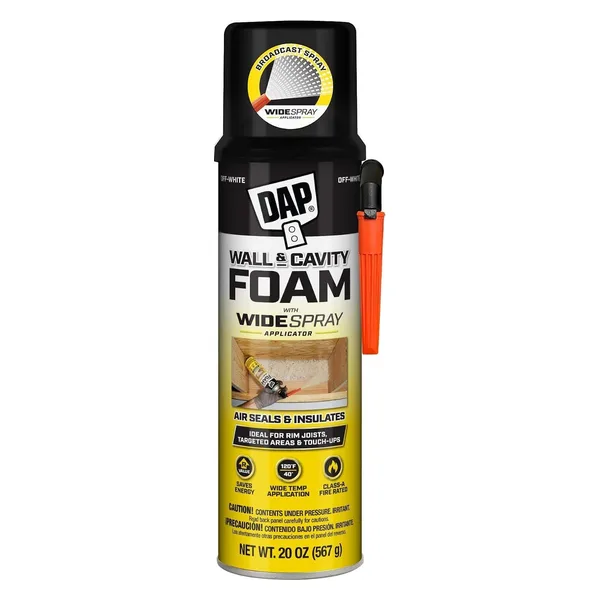
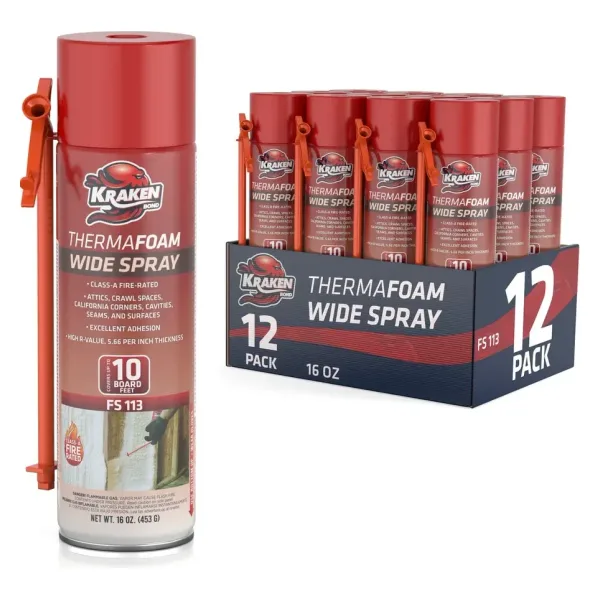
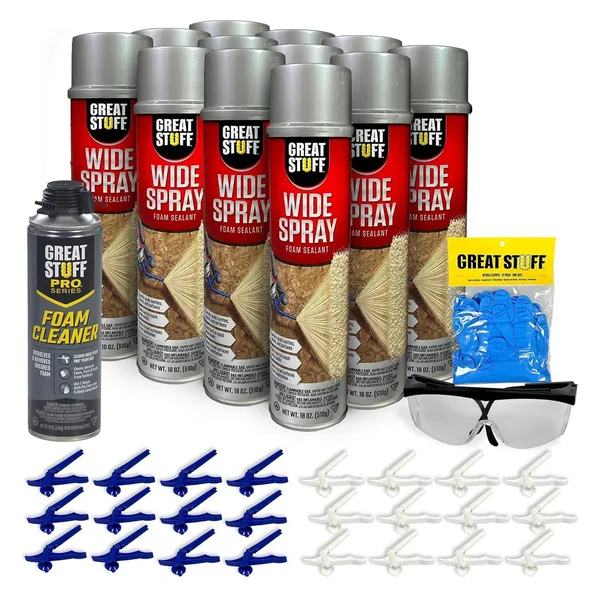
A wide pattern is a small job done without a gun, or the finishing pass after a kit. It is not a cavity fill.
Three selection layers
Fill and air-seal a stationary gap, crack, hole or penetration within the range the maker states. Every can on these pages does this; most makers do not print the range.
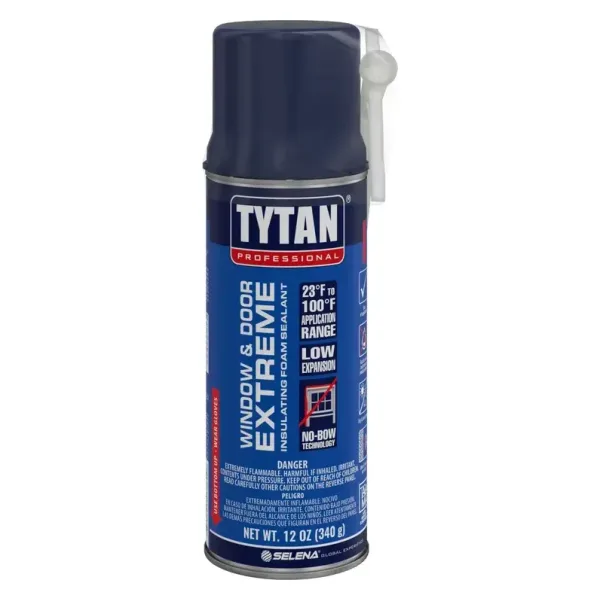
Low expansion for a frame, a surface-burning result for fireblocking, a pest ingredient or a plain seal, a color for water features. Each is checkable in a different way, and each page says how.
Straw, trigger can or threaded gun. A gun decides control, reach and whether the can can be reused for a month. What it does not decide is the foam: two cans with the same chemistry behave the same through a straw or a gun. Do not read "PRO" on a label as a delivery change alone, though. In this set the PRO cans are often a different product: Great Stuff Gaps & Cracks fills to 1 in and is cream, while Great Stuff PRO Gaps & Cracks fills to 3 in, is orange and is described as fireblock formulated. Compare the sheets, not the badge.
Where the categories overlap: of 43 records, 11 carry more than one tag, and every overlap runs through gaps and cracks. A pest foam is a gap filler with a pest claim; an orange can is a gap filler with a fire claim. One record, several pages, scored once.
Resolve the overlap first
Source-backed guides from Spray Foam Guides, our sister publication under common ownership, define the building question before you compare exact products here.
See when pest-block is the right specialty and when a durable gnaw-resistant closure still carries the repair.
Open decision guide Sensitive jointCompare low-pressure frame protection with ordinary stationary gap sealing before choosing a can.
Open decision guide Delivery systemChoose control, reach, restartability, and maintenance after the required formulation is clear.
Open decision guide Opening sizeMeasure width, depth, support, and the missing building component before choosing more expansion.
Open decision guide Fire functionSeparate residential concealed-space fireblocking from a listed rated-penetration system.
Open decision guide Visible specialtyCheck landscape, pond, RV, HVAC, water, UV, and substrate claims against the exact product.
Open decision guideAround the can