A buyer's question, answered from the records
How do you get spray foam off your hands?
The short answer
Wash it off at once, before it cures. The safety data sheet of every one of the 24 products in the table tells you to wash or flush the skin with water, and 14 name soap. DuPont’s 5 Great Stuff sheets add that cleaning very soon matters and that a polyglycol-based skin cleanser or corn oil may work better than soap and water. None tells you to put acetone on your skin: the one sheet that names acetone, DAP’s, names it for clothing and other surfaces, and says cured foam comes off skin by persistent washing with soap and water.
Product examples · not ranked
The cans this answer is about
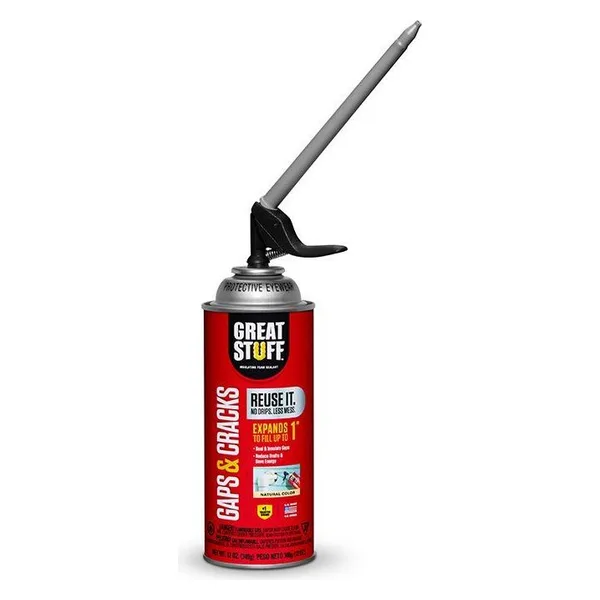 Great Stuff Gaps & CracksSee it on Amazon
 DAP Wall & Cavity Foam, 20 oz wide-spray canSee it on Amazon
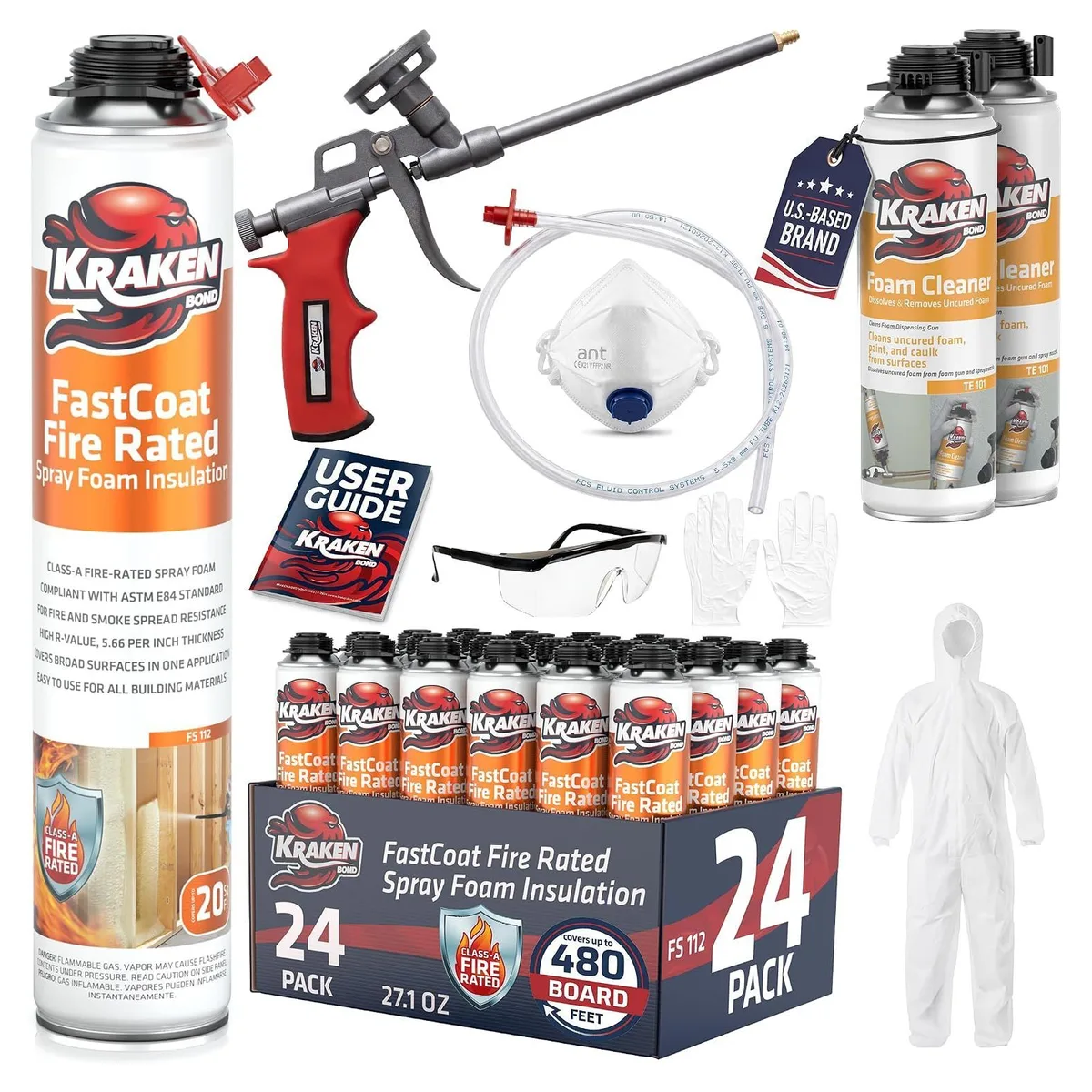 Kraken Bond FastCoat 24-PackSee it on Amazon
As an Amazon Associate I earn from qualifying purchases.
What the records show
Foam sealants: gap fillers, window and door, fire block, pest block
The first-aid line for skin on each sheet, quoted as printed. Read on October 19, 2026.
| Product | What its safety data sheet says to do | Anything beyond soap and water | Sheet |
|---|---|---|---|
| Great Stuff Gaps & Cracks | Remove material from skin immediately by washing with soap and plenty of water. Remove contaminated clothing and shoes while washing. | An MDI skin decontamination study demonstrated that cleaning very soon after exposure is important, and that a polyglycol-based skin cleanser or corn oil may be more effective than soap and water. | Great Stuff safety data sheet, March 14, 2024 |
| Great Stuff PRO Gaps & Cracks | Remove material from skin immediately by washing with soap and plenty of water. Remove contaminated clothing and shoes while washing. | An MDI skin decontamination study demonstrated that cleaning very soon after exposure is important, and that a polyglycol-based skin cleanser or corn oil may be more effective than soap and water. | Great Stuff PRO safety data sheet, March 14, 2024 |
| Great Stuff PRO Window & Door | Remove material from skin immediately by washing with soap and plenty of water. Remove contaminated clothing and shoes while washing. | An MDI skin decontamination study demonstrated that cleaning very soon after exposure is important, and that a polyglycol-based skin cleanser or corn oil may be more effective than soap and water. | Great Stuff PRO safety data sheet, March 14, 2024 |
| Great Stuff PRO Pestblock | Remove material from skin immediately by washing with soap and plenty of water. Remove contaminated clothing and shoes while washing. | An MDI skin decontamination study demonstrated that cleaning very soon after exposure is important, and that a polyglycol-based skin cleanser or corn oil may be more effective than soap and water. | Great Stuff PRO safety data sheet, March 14, 2024 |
| Great Stuff Wide Spray | Remove material from skin immediately by washing with soap and plenty of water. Remove contaminated clothing and shoes while washing. | An MDI skin decontamination study demonstrated that cleaning very soon after exposure is important, and that a polyglycol-based skin cleanser or corn oil may be more effective than soap and water. | Great Stuff safety data sheet, July 21, 2025 |
| Stanley F905 Gaps & Cracks | Wash skin with plenty of water. Take off contaminated clothing. | Nothing; water, and soap where the sheet says so | F905 safety data sheet, issue date 17.07.2023 |
| Stanley F905P Gaps & Cracks Pro | Take off immediately all contaminated clothing. Wash immediately and thoroughly with running water (and soap if possible). | Nothing; water, and soap where the sheet says so | F905P safety data sheet, issue date 09.04.2024 |
| Stanley F902 Window & Door | Take off immediately all contaminated clothing. Wash immediately and thoroughly with running water (and soap if possible). | Nothing; water, and soap where the sheet says so | F902 safety data sheet, issue date 09.04.2024 |
| Stanley F902P Window & Door Pro | Take off immediately all contaminated clothing. Wash immediately and thoroughly with running water (and soap if possible). | Nothing; water, and soap where the sheet says so | F902P safety data sheet, issue date 17.02.2025 |
| Stanley F948P All Season Pro | Take off immediately all contaminated clothing. Wash immediately and thoroughly with running water (and soap if possible). | Nothing; water, and soap where the sheet says so | F948P safety data sheet, issue date 02.01.2025 |
| Kraken Bond Extreme Fire Block | Wash skin with plenty of water. Take off contaminated clothing. | Nothing; water, and soap where the sheet says so | Extreme Fire Block safety data sheet, issue date 12.09.2023 |
| Stanley F952 Fire Block | Wash skin with plenty of water. Take off contaminated clothing. | Nothing; water, and soap where the sheet says so | F952 safety data sheet, issue date 17.07.2023 |
| Stanley F952P Fire Block Pro | Take off immediately all contaminated clothing. Wash immediately and thoroughly with running water (and soap if possible). | Nothing; water, and soap where the sheet says so | F952P safety data sheet, issue date 09.04.2024 |
| Stanley F993 Pest Block | Take off immediately all contaminated clothing. Wash immediately and thoroughly with running water (and soap if possible). | Nothing; water, and soap where the sheet says so | F993 safety data sheet, issue date 09.12.2024 |
| Akfix 895 Pest Barrier | Wash skin with plenty of water. Take off contaminated clothing. | Nothing; water, and soap where the sheet says so | Akfix 895 safety data sheet, issue date 18.11.2022 |
| Stanley F903 Black Foam | Wash skin with plenty of water. Take off contaminated clothing. | Nothing; water, and soap where the sheet says so | F903P safety data sheet, issue date 17.07.2023, the sheet the record links |
What the records show
Spray foam insulation kits
The canned kits sprayed from a gun. DAP’s is the only sheet that says anything about foam that has already cured.
| Product | What its safety data sheet says to do | Anything beyond soap and water | Sheet |
|---|---|---|---|
| Kraken Bond FastCoat | Take off immediately all contaminated clothing. Wash immediately and thoroughly with running water (and soap if possible). | Nothing; water, and soap where the sheet says so | FastCoat safety data sheet, issue date 10.05.2025 |
| Stanley F990P SuperCoat | Wash skin with plenty of water. Take off contaminated clothing. | Nothing; water, and soap where the sheet says so | F990P safety data sheet, issue date 17.07.2023 |
| BEEST FullStop | Wash skin with plenty of water. Wash contaminated clothing before reuse. | Nothing; water, and soap where the sheet says so | FullStop safety data sheet, version 1.1, March 9, 2026 |
| TYTAN Professional Thermospray | If on skin: Wash with plenty of water. If skin irritation or rash occurs: Get medical attention. MDI compounds have a mild tanning action on the skin. | Nothing; water, and soap where the sheet says so | Thermospray safety data sheet, June 4, 2024 |
| Y’allCanDIY Spray Foam Kit | Remove affected clothing and wash all exposed skin areas with mild soap and water, followed by warm water rinse. | Nothing; water, and soap where the sheet says so | Y’allCanDIY safety data sheet, August 29, 2025 |
| DAP Wall & Cavity Foam | Wash skin with soap and water for 15 minutes. Use a rag to remove excess foam from skin and remove contaminated clothing. Cured foam may be physically removed by persistent washing with soap and water. If irritation develops, use mild skin cream. | Use of a solvent, such as acetone (nail polish remover) or mineral spirits, may help in removing uncured foam residue from clothing or other surfaces (avoid eye contact). | DAP safety data sheet 4800901, February 5, 2024 |
What the records show
Two-component kits
Two pressurized tanks mixed at the gun. Both HandiFoam sheets ask for more water and a longer rinse than the cans do.
| Product | What its safety data sheet says to do | Anything beyond soap and water | Sheet |
|---|---|---|---|
| HandiFoam FR (HFO) | Immediately flush body and clothes with large amounts of water, using safety shower if available. Quickly remove all contaminated clothing, including footwear. | Nothing; water, and soap where the sheet says so | HandiFoam FR safety data sheets, A and B side, 2022 |
| HandiFoam Low Density | Flush skin with large amounts of water while removing contaminated clothing. Gently wipe product from skin with a damp cloth and continue rinsing for 15 minutes. | Nothing; water, and soap where the sheet says so | HandiFoam safety data sheets A16178A and A16180B, 2018 |
Before it cures, the clock is the whole answer
Foam comes off most easily while it is still wet, and while it is wet it is the product the safety sheets classify. Every sheet in the table says to wash it off, and several say to do it now: "Wash immediately and thoroughly" on the Kraken Bond FastCoat sheet and six Stanley sheets, "Remove material from skin immediately" on DuPont’s. DuPont’s sheets give the reason in one sentence, quoting a skin decontamination study for MDI, the isocyanate in these foams: cleaning very soon after exposure is important.
The same study is where corn oil comes from. DuPont prints that a polyglycol-based skin cleanser or corn oil may be more effective than soap and water; it is the only comparison between cleaners on any of the 26 sheets we read. Wipe the excess off first, as DAP’s sheet puts it, "Use a rag to remove excess foam from skin," and then wash.
Once it has cured on your skin
No sheet names anything that dissolves cured foam on skin. DAP’s is the only one that addresses it, and its instruction is patience rather than a solvent: "Cured foam may be physically removed by persistent washing with soap and water. If irritation develops, use mild skin cream." TYTAN’s sheet explains a stain that can stay behind: "MDI compounds have a mild tanning action on the skin."
The sheets do not agree on when to see a doctor. Most say to get medical advice if irritation or a rash appears or persists; the FastCoat sheet and six Stanley sheets say to get medical advice or attention after skin contact without that condition. The hazard statements on these products include an allergic skin reaction, so a rash is a reason for medical advice rather than for scrubbing harder.
Acetone is for clothes and tools, not skin
Acetone is the usual home advice, and it is in the gun cleaners these brands sell: the safety sheet of Stanley’s T244 cleaner lists acetone at 20 to 30 percent, and its data sheet says it "Cannot be used to clean cured foam." None of the 26 sheets we read tells you to put acetone on skin. The one that names acetone, DAP’s, names it with mineral spirits for uncured foam on "clothing or other surfaces," with a warning to avoid eye contact.
Clothing is the other thing every sheet mentions: take it off, and wash it before you wear it again. DuPont’s sheets go further and tell you to discard what cannot be decontaminated, naming leather shoes, belts and watchbands.
Gloves are the instruction that comes first
All 26 sheets we read call for protective gloves, the two-component kits and the single straw cans alike. The question on this page is the one the sheets would rather you never had to ask.
Asked next
What people ask after this one
Does acetone take spray foam off skin?
None of the 26 safety data sheets we read tells you to use it on skin. DAP’s names acetone (nail polish remover) or mineral spirits for uncured foam on clothing or other surfaces and warns to avoid eye contact; for skin, every sheet says water, most with soap, and DuPont’s add a polyglycol-based skin cleanser or corn oil.
Is corn oil better than soap for spray foam on skin?
DuPont’s Great Stuff sheets say it may be: an MDI skin decontamination study showed that cleaning very soon after exposure is important, and that a polyglycol-based skin cleanser or corn oil may be more effective than soap and water. It is the only comparison between cleaners on any of the 26 sheets we read.
How do you get dried spray foam off your hands?
Keep washing. DAP’s sheet, the only one that addresses cured foam, says it "may be physically removed by persistent washing with soap and water," and to use a mild skin cream if irritation develops. No sheet names a solvent for cured foam on skin.
How do you get spray foam out of clothes?
While it is still wet. DAP’s sheet says acetone or mineral spirits may help remove uncured foam from clothing, kept away from the eyes. Every sheet tells you to take contaminated clothing off, and most say to wash it before reuse; DuPont’s say to discard leather items that cannot be decontaminated.
When should you see a doctor about spray foam on skin?
The sheets do not agree. Most say to get medical advice if irritation or a rash appears or does not go away; the Kraken Bond FastCoat sheet and six Stanley sheets say to get medical advice or attention after skin contact without waiting for one. The hazard statements on these foams include an allergic skin reaction, so a rash is a reason for medical advice rather than more scrubbing.
Still have a question? Ask the research desk
A question these pages do not answer yet? Send it to the desk. Questions are answered from the same records as every page here, the makers’ documents and the listings, and are not published as they are sent.
When the records can answer one, it becomes a question page with a dated note that a reader asked it. Your name and address are never published. We cannot answer every question, and we cannot judge one house we have not seen.
How people search this
The same question, as it gets typed
- how to get spray foam off hands
- how to get spray foam off skin
- how to get expanding foam off hands
- how to remove spray foam from hands
- what removes spray foam from skin
- how to get expanding foam off hands when dry
- how to get spray foam off clothes
- how to get spray foam out of hair
Read next
Where the evidence comes from
- Foam guns, cleaners and nozzles, and what each cleaner contains
- What the safety data sheets classify, product by product
- How long each foam takes to cure
- Is canned spray foam closed cell?
- Is spray foam waterproof?
- Is expanding foam fire rated?
- How much does spray foam insulation cost?
- How long does spray foam take to cure?
- Can you paint spray foam?
- Is spray foam heat resistant?
- Is spray foam insulation safe?
- Will mice chew through spray foam?
- Is spray foam made in the USA?
- Every question we answer